Crossing the Border: 5 Things Every Canadian Needs to Know Before Traveling to the U.S.
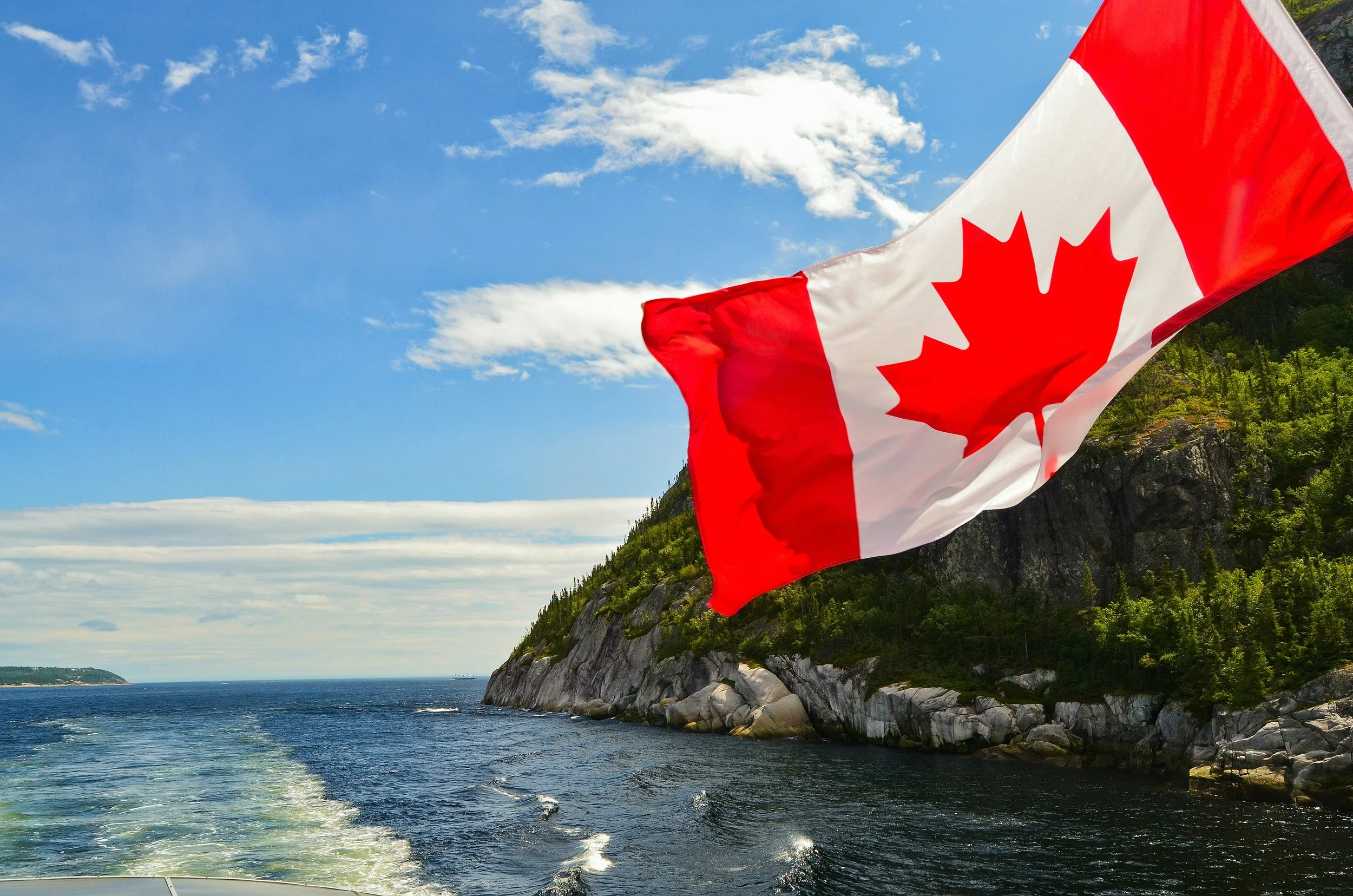
Photo by Isabel Piñeiro on Unsplash. Canadians enjoy some of the easiest entry requirements into the United States, but things have changed recently. Based on guidance from the U.S. Customs and Border Protection (CBP) and recent processing experience, learn more about the latest for Canadians in 2026.
1. The "Six-Month Rule" is a Myth
Many Canadians believe they are "entitled" to stay in the U.S. for six months every year. This is not true.
Discretion is Key: Every time you cross, a CBP officer decides how long you can stay.
Activity-Based Admission: If you tell an officer you are going for a "weekend wedding," they have the authority to admit you for only one week or for the duration of the event.
The "Reset" Choice: If you leave and come back, an officer might give you a fresh six months, or they might simply give you the remaining time from your previous entry.
2. Paper Stamps are Out, Digital Records are In
Don’t be surprised if the officer doesn't stamp your passport. CBP has largely moved to electronic records.
Check Your I-94: Your official "expiration date" is no longer in your passport; it's on your digital I-94 record.
The Golden Rule: You must check your status at i94.cbp.dhs.gov after every entry to ensure you know exactly when you are required to leave.
3. The 30-Day Registration Requirement
This is the "fine print" that catches many long-term travelers. This is new and often go unnoticed. Under U.S. law, certain visitors staying for 30 days or longer must register with the government.
If you fly: You are usually issued a digital I-94 automatically, which satisfies this requirement.
If you drive/sail: If you enter by land or sea and are not issued an I-94, but plan to stay for 30+ days, you must manually register using USCIS Form G-325R.
Birthday Alert: Any child who turns 14 while in the U.S. must register within 30 days of their birthday.
4. Watch Your "Time In" vs. "Time Out"
While there is no hard "6-month cap," spending more time in the U.S. than in Canada is a major red flag. If you spend 7 months in Florida and only 5 in Ontario, CBP may suspect you are "living" in the U.S. without a proper visa. Be prepared to prove your ties to Canada (like a mortgage, job, or utility bills) if you are a frequent traveler.
5. Land Border Fees
If you are entering by land and need a formal I-94 record (often required for snowbirds or those staying longer), there is a $30.00 fee. You can save time by applying and paying for this "provisional I-94" online up to seven days before you reach the border.
What else should I know?
Your U.S. stay cannot last longer than your passport's expiration date. If your passport expires in two months, you will only be admitted for two months. It is even more important now that your I-94 record is up-to-date and error-free. If you see an error on your I-94 or travel history, you should get that corrected. Read our blog post on how to correct errors on your I-94 and other immigration documents. Keep up-to-date on the many changes in immigration. Follow us on Instagram, Twitter, Facebook, LinkedIn, Tumblr and TikTok, for up-to-date immigration news.
Torregoza Legal PLLC is the law firm for immigrants, by immigrants. We are founded on the motto of LegalEase: we do away with the legal jargon and make law easy to understand, so you can focus on what’s important to you – going for your American Dream.
Contact us at (888) 445-7066 or info@legalease.us. Find us on social media @LegalEaseUS and on the web http://legalease.us/
This website and blog constitute attorney advertising. Do not consider anything on this website or blog legal advice as the law is dynamic, particularly in the immigration field and nothing in this website constitutes an attorney-client relationship being formed. Set up a one-hour consultation with us before acting on anything you read here. Past results are no guarantee of future results and prior results do not imply or predict future results. Each case is different and must be judged on its own merits.